 English
  日本語
日本語  français
  Deutsch
  Español
  italiano
  português
 Search
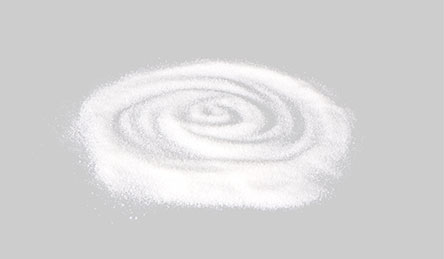
Paraffin wax plays an irreplaceable role in industrial fields such as plastics, coatings, hot-melt adhesives, and paper packaging. The melting point, refining grade, and additive amount of paraffin wax directly affect processing efficiency, surface quality, and physical properties of the products. Choosing the right paraffin wax is crucial for optimizing production and reducing costs.
The melting point of paraffin wax is a key factor in selection. Paraffin waxes with different melting points are suitable for different processing processes:
Low-melting-point paraffin wax (46–54°C): Suitable for low-temperature coatings, food packaging, moisture-proof paper, etc.
Medium-melting-point paraffin wax (56–62°C): Most commonly used, suitable for plastic processing (such as PVC, PP, and PE) and hot-melt adhesive production. The King Honor medium-melting-point paraffin wax series offers stable hardness and low oil content, ensuring flowability and uniform surface quality.
High-melting-point paraffin wax (64–72°C): Suitable for high-temperature processing, PVC profiles, hot-melt adhesives, industrial lubrication, and other demanding applications.
Tip: When selecting the melting point of paraffin wax, ensure it is 20–40°C lower than the processing temperature to guarantee complete melting and optimal performance.
Different types of paraffin wax have distinct properties and are suitable for various application scenarios:
Fully refined paraffin wax : Low oil content and light color, suitable for high-end coatings, cosmetics, and food-contact materials.
Semi-refined paraffin wax: Cost-effective, suitable for general plastic processing, wax emulsions, and common industrial uses.
Microcrystalline wax: Fine crystal structure and high flexibility, commonly used in compound waxes, rubber, and special lubricants.
Additionally, select functional waxes based on processing requirements, such as:
Improving lubrication: PE wax, PP wax
Enhancing mold release: Amide wax, oxidized polyethylene wax
Increasing surface gloss: Fischer-Tropsch wax, hard wax
Although paraffin wax may be used in small quantities, it significantly impacts production costs, energy consumption, and product quality:
Prioritize performance requirements: For high-end plastic products, hot-melt adhesives, or food packaging, prioritize high-performance, highly refined waxes.
Cost control: For general plastic processing or low-end applications, choose medium-melting-point semi-refined paraffin wax to achieve a balance between performance and cost.
Comprehensive benefits: Evaluate overall benefits such as energy savings, efficiency improvements, and waste reduction. Sometimes, high-performance waxes may have a higher unit price but can reduce energy consumption and defect rates, resulting in lower total costs.
The three key tips for choosing the right paraffin wax can be summarized as follows:
Match the melting point to the processing temperature and process.
Select the wax type based on substrate characteristics and functional requirements.
Balance performance and cost comprehensively.
King Honor Wax offers a full range of paraffin wax products, including medium-melting-point paraffin wax, high-melting-point paraffin wax, microcrystalline wax, and compound waxes, catering to various processing needs such as recycled plastic modification, hot-melt adhesive production, and coating applications. By scientifically selecting and rationally adding paraffin wax, production efficiency can be significantly improved, product quality enhanced, and processing costs reduced.
Selecting the right paraffin wax is key to improving processing efficiency, product quality, and overall cost control. With a comprehensive product range and strong technical expertise, King Honor Wax is ready to support your specific application needs—from plastic processing to coatings and hot-melt adhesives. Contact us today to discuss the most suitable paraffin wax solutions for your production goals.