 English
  日本語
日本語  français
  Deutsch
  Español
  italiano
  português
 Search
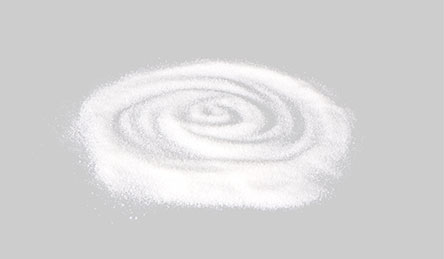
As interest in vegan and animal-free materials continues to grow, more customers are paying close attention to whether the raw materials they use meet vegan requirements. One common question is whether microcrystalline wax can be considered a vegan product.
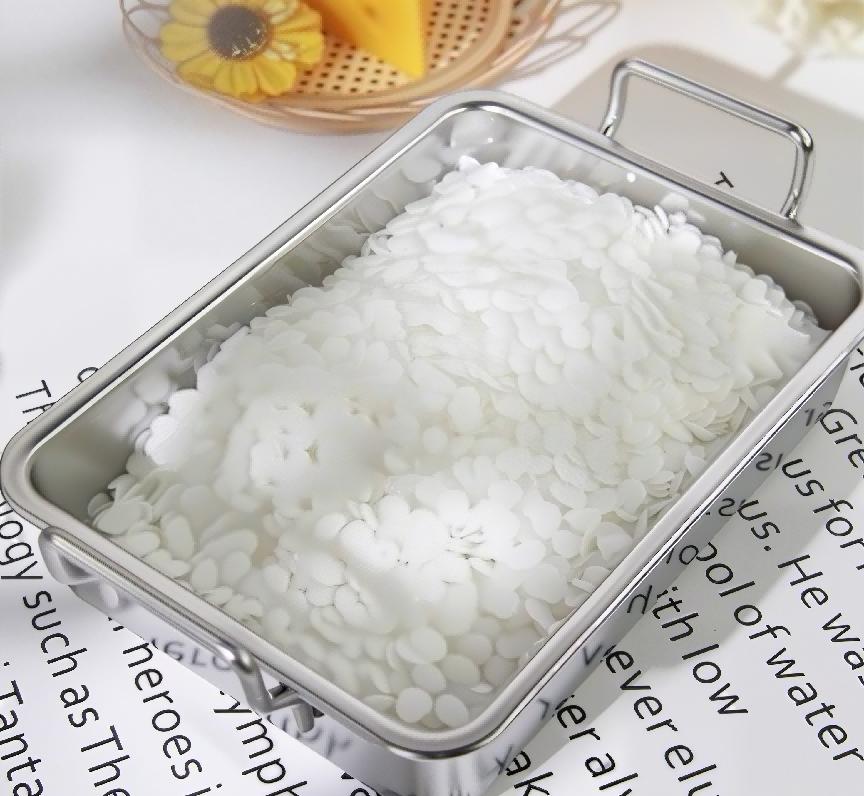
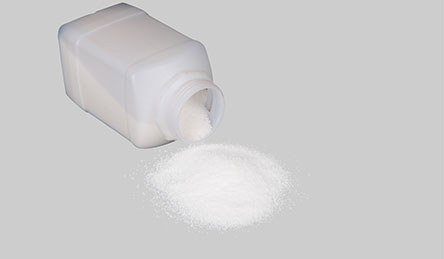
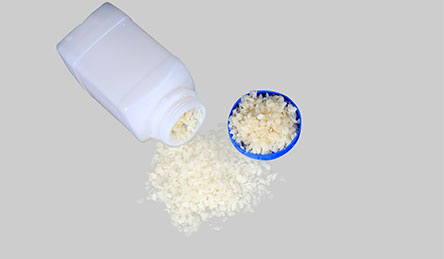
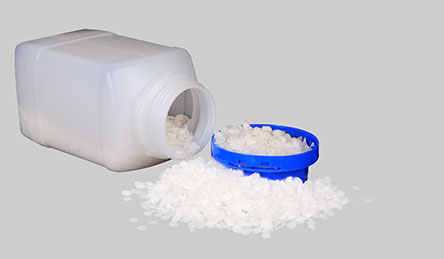
Microcrystalline wax is a wax derived from the petroleum refining process. Compared with conventional paraffin wax, it has a finer crystal structure, offering better flexibility, adhesion, and stability. These properties make it widely used in cosmetics, adhesives, rubber, packaging, and various industrial applications.
From the perspective of material composition, microcrystalline wax contains no animal-derived ingredients and does not involve beeswax, lanolin, or animal fats. Therefore, under most applications and industry standards, microcrystalline wax is generally regarded as suitable for vegan formulations.
It should be noted that while microcrystalline wax is animal-free, it is not a plant-based wax. Some brands or certification bodies may apply stricter definitions of vegan materials and may require additional confirmation or compliance documentation from suppliers.
In terms of safety, microcrystalline wax that is properly refined and compliant with relevant regulations is widely used in cosmetics and personal care products, as well as in food packaging and industrial applications. Its chemical stability ensures good safety performance under normal conditions of use.
Overall, microcrystalline wax is an animal-free, stable, and versatile material that is widely adopted in products requiring both vegan considerations and reliable industrial performance.
If you are looking for animal-free wax materials that meet both performance and safety requirements, KH Honor Wax offers reliable microcrystalline wax solutions with consistent quality and regulatory compliance. Our team is ready to provide detailed technical information and application support for your specific needs. Contact us today to learn more about our products and customized solutions.