 English
  日本語
日本語  français
  Deutsch
  Español
  italiano
  português
 Search
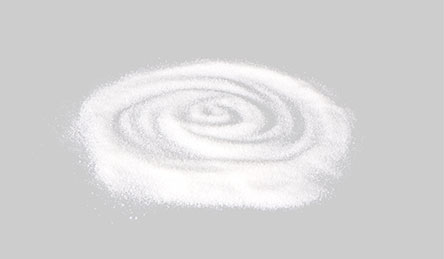
Against the backdrop of global energy structure upgrades and increasingly stringent environmental regulations, Fischer-Tropsch (FT) wax—a synthetic wax known for its high purity, low volatility, and high melting point—is rapidly gaining attention across multiple high-end industries.
This article analyzes the latest trends in the FT wax industry by examining supply-demand dynamics, feedstock pathways, policy directions, and end-use developments, helping businesses better understand the strategic value of this emerging material.
Fischer-Tropsch wax is a synthetic linear saturated hydrocarbon wax produced via the Fischer-Tropsch synthesis process, using natural gas (GTL) or coal (CTL) as feedstocks. Its key characteristics include:
Ultra-high purity (free of aromatics, sulfur, nitrogen, and other impurities)
High melting point (typically 85°C–105°C)
Extremely low volatility and strong thermal stability
Pure white, odorless, non-toxic, and eco-friendly
As a carbon-reducing wax product at the source, FT wax fully aligns with future green manufacturing standards.
In recent years, demand for FT wax has surged in the following areas:
Replacing high-oil paraffin waxes to meet stricter environmental and stability requirements
Substituting high-melting-point additives in hot-melt adhesives, masterbatches, and PVC processing
Serving as lubricants, dispersants, and crystallization modifiers in specialty masterbatches, powder coatings, and 3D printing materials
Expanding into new applications, such as release agents and anti-stick systems in new energy, electronics, and precision manufacturing sectors
As industries increasingly demand non-toxic, odorless, and low-VOC materials,
the technical advantages of FT wax are gaining broader recognition and adoption.
1.Challenges:
Higher cost than traditional paraffin wax—Market education is needed to enhance customer awareness and cost-performance evaluation.
Processing difficulties—High melting point and hardness pose challenges for downstream equipment modifications.
Brand concentration—High-end customers prefer stable, traceable suppliers.
2.Opportunities:
Clear global substitution trend—High-aromatic paraffin waxes are being phased out, especially in Europe and the U.S.
Carbon reduction initiatives—GTL-derived FT wax is becoming part of low-carbon supply chains.
China’s technological advancements—Multiple producers now offer stable large-scale production at competitive prices.
Improved logistics localization—Companies like KHONOR provide flexible supply through U.S. warehouse inventories.
As a professional industrial wax exporter, KHONOR is actively expanding its FT wax business, including:
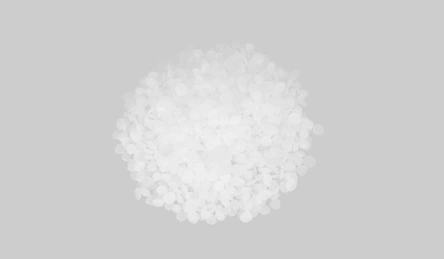
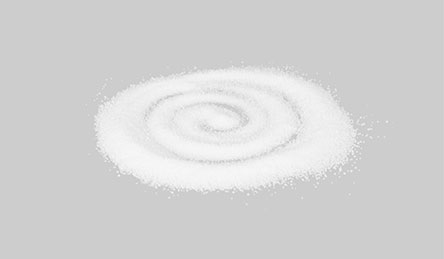
Multi-specification supply—Melting points ranging from 88°C to 105°C, available in powder, granular, and block forms.
Comprehensive documentation—COA, TDS, MSDS, REACH/FDA compliance documents.
Localized delivery—Shipments from Chinese ports or U.S. warehouse stock.
Technical selection support—Assisting customers with wax substitution and optimization.
Long-term pricing strategy—Ensuring stable supply and reducing procurement risks.
Synthetic wax has evolved from an "optional material" to a "critical material," playing an increasingly vital role in the global synthetic wax market. With advancements in fine chemicals, new energy, and eco-friendly materials, its growth potential will continue to expand.
Companies that secure their supply chains early, understand product specifications, and establish stable procurement channels will gain a significant first-mover advantage.
To stay ahead in this evolving market, now is the time to act. Contact King Honor today to explore high-purity synthetic wax solutions tailored to your application—and secure a reliable partner for your long-term supply needs.